

Product group · End Mills
Solid Carbide End Mills
Solid carbide end mill types are used on CNC machines for slotting, profile machining, edge milling, and precision material removal. TOOLEX offers straight, ball nose, tapered, and corner radius models in various diameters and cutting geometries.
- Products
- 95
- Sizes
- 2,548
- Diameter range (mm)
- Ø 0.2–45.5
Products in this group
Application
Series
95 products


























































































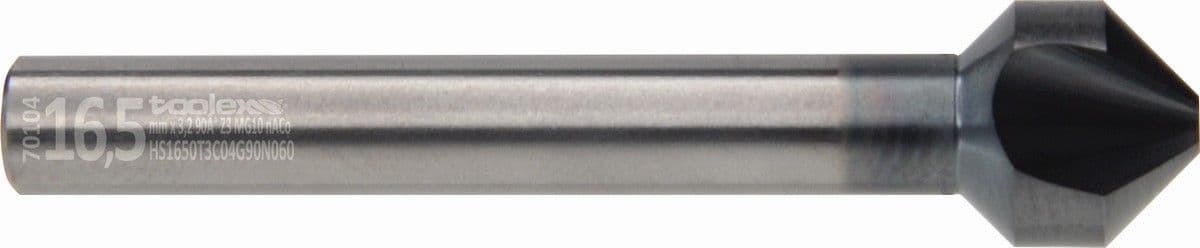

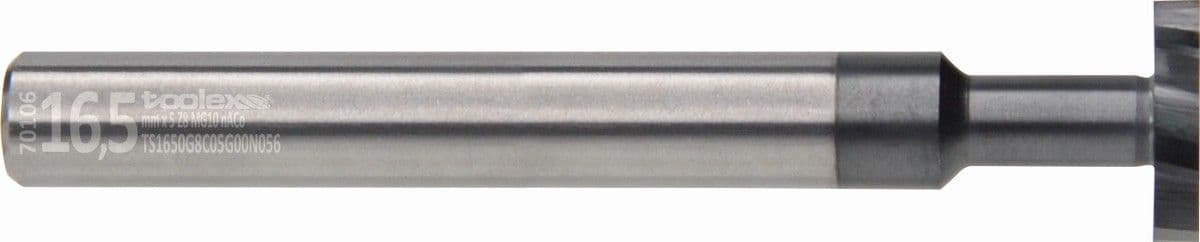

Solid Carbide End Mill Types and Technical Specifications
Choosing an end mill depends on the material being machined, the type of operation, tool geometry, and required surface finish. TOOLEX's product range includes straight, ball nose, corner radius, tapered, and roughing end mills, as well as Micro, Mini, Midi, Finish, and Mold series. You can choose from different diameters, flute counts, and tool lengths to find a model suited to the machining operation performed on your CNC machine. These milling tools meet a range of machining requirements.
End Mill Types and Their Applications
End mill types vary according to cutting geometry, flute design, tool diameter, and intended application. The right tool must match the workpiece and machining conditions for operations such as slotting, pocketing, contouring, profile milling, and finishing.
Straight end mills: Used in a range of CNC operations, including slotting, pocket machining, and edge milling.
Ball nose end mills: Suitable for machining three-dimensional surfaces, mold geometries, and curved contours.
Corner radius end mills: Designed for machining applications that require radiused corner transitions.
Tapered end mills: Used for specialized applications involving angled surfaces and tapered geometries.
Roughing end mills: Intended for roughing operations that remove larger amounts of material under suitable machining conditions.
What to Consider When Choosing a Carbide End Mill
Selecting a solid carbide end mill involves more than checking the tool diameter. The workpiece material and its hardness, flute count, helix geometry, coating, depth of cut, and machine operating conditions should all be considered together.
Different cutting geometries and tool specifications are suited to machining materials such as steel, hardened steel, stainless steel, and aluminum. Micro or Mini series tools may be considered for narrow slots and small components, while end mills in different diameters and lengths may be suitable for larger workpieces. The appropriate carbide end mills should be selected according to the application and machining requirements.
When choosing carbide cutting tools, it is also important to check that the tool is compatible with the application, that machining parameters follow the manufacturer's recommendations, and that the tool holder is suitable.
Carbide End Mill Prices and Product Selection
Solid carbide end mill prices vary according to tool diameter, overall length, flute count, geometry, coating, and product series. Micro end mills, long-reach tools, ball nose end mills, and models designed for hardened materials do not necessarily fall into the same price range.
When comparing end mill prices, consider not only the initial purchase cost but also whether the tool is suitable for its intended use and machining conditions. Choosing the wrong tool can negatively affect surface finish, dimensional accuracy, and tool life.
When reviewing TOOLEX carbide end mill prices and product options, compare the diameter, flute count, coating, and technical specifications of each model to help identify the right product. The range of carbide end mills includes options for different machining applications.
CNC Milling Tools and Technical Specifications
CNC milling tools are selected according to the workpiece geometry, material properties, and milling strategy. Operations such as roughing, finishing, slotting, plunging, and 3D contour machining may require different tool characteristics. The selection of milling cutting tools should therefore reflect the specific operation. These milling tools are designed for a variety of machining applications.
In solid carbide end mills, cutting-edge geometry and coating type influence chip evacuation and wear behavior. Tool diameter, cutting length, and overall length affect reach and machining conditions. Selecting a suitable tool also requires consideration of the workpiece material, machine rigidity, tool holder, and cutting parameters.
Compare the products in the TOOLEX end mill category by their technical specifications and intended applications to identify a carbide end mill that matches your manufacturing requirements.
Find the right tool
Find the right tool, fast
Filter by workpiece material, operation, series and application, or browse the complete range in the digital catalogue.